

Join
Programs
About
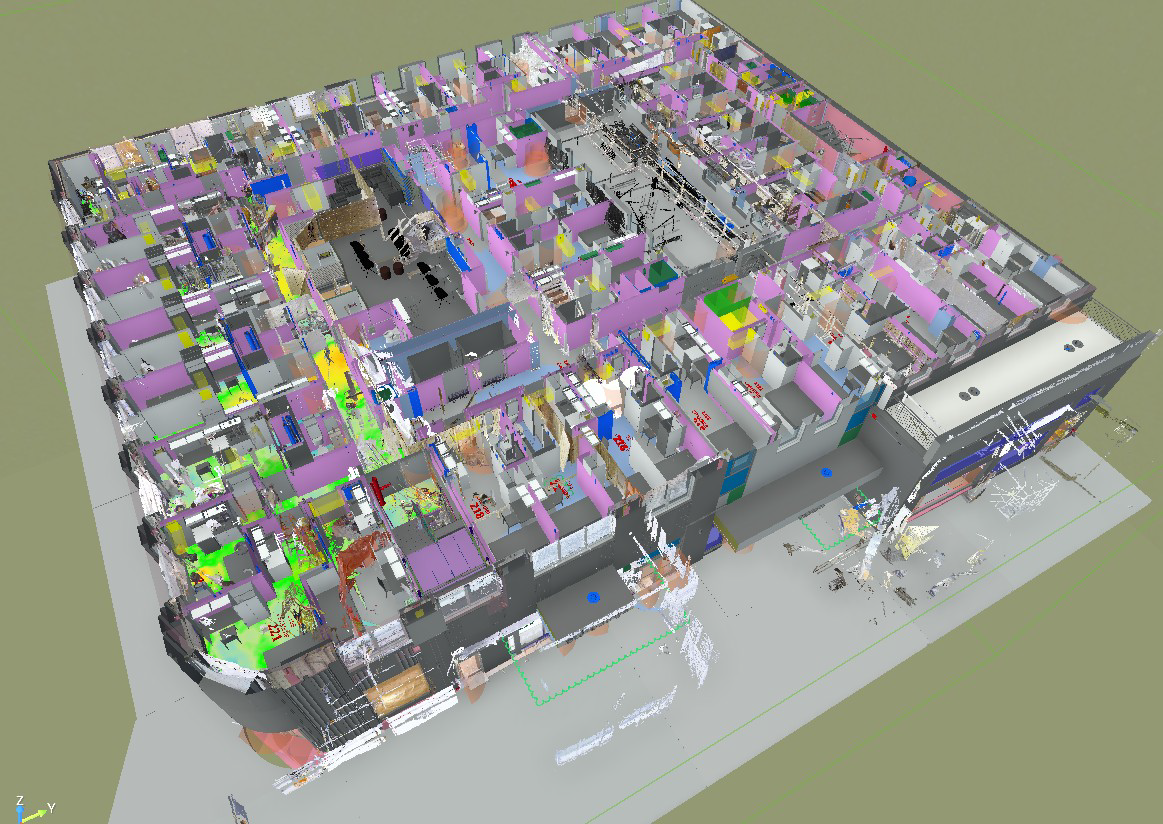


Magil’s methodology selects BIM-VDC uses from each project’s risks, complexity and operational needs before considering contractual deliverables. Resources and budget then determine the appropriate deployment level. Accumulated project experience is now formalized through an AI-assisted decision-support tool, validated on the St. Cathy’s project.

Construction projects differ significantly in delivery model, technical complexity, schedule pressure, site constraints, stakeholder maturity and available resources. Yet digital technologies are often selected too late, applied uniformly, or deployed simply because a contractual deliverable names a tool or output. This creates fragmented platforms, duplicated information, poorly anticipated costs and BIM-VDC effort that is not always focused on the project’s highest risks. The opposite problem also occurs: a valuable use, such as 4D sequencing, constructability review or reality capture, may be overlooked because it was not explicitly requested by the client. Magil needed a practical way to distinguish three questions that are frequently mixed together: What does the project intrinsically need? What does the contract require? What can the team responsibly deploy with the available skills, time and budget? The challenge was therefore not access to technology. It was creating a consistent methodology that starts with project conditions, selects only the uses that can create value, connects them to production methods and appropriate technologies, and then scales their deployment to the project’s reality. The methodology also had to remain understandable to project teams, preserve professional judgment and create measurable feedback that could improve future decisions.
Magil developed a staged methodology that begins with the project rather than the software. First, the team documents thirteen project characteristics, including delivery model, project type and scale, technical and multidisciplinary complexity, schedule pressure, site constraints, existing conditions, construction methods, collaboration level, digital maturity and operational objectives. These inputs are used to identify the BIM and digital uses that are intrinsically relevant to the project. Contractual deliverables are reviewed only afterward and classified as mandatory, desired or not required. This preserves a critical distinction: a use can create strong operational value even when it is not contractually requested, while a mandatory deliverable must still be addressed even when its intrinsic value is limited. The team then considers feasibility, responsibilities, skills, licences, equipment, time and budget to determine the appropriate deployment level: complete, targeted, pilot, deferred or not deployed. Each selected use is connected to a production method, supporting technology, accountable owner, expected evidence and one or two value-based KPIs. Results and lessons learned are then capitalized to improve future selections. This creates a transparent path from project need to action, while keeping expert review at every decision point.


