

Join
Programs
About


Canada is currently advancing its most significant infrastructure initiative in half a century. The Alto high-speed rail network will transform intercity mobility across the Toronto-to-Québec City corridor. Operating on approximately 1,000 kilometers of dedicated, electrified tracks at speeds of 300 km/h or higher, the project will connect a region that is home to nearly half of the national population. Delivering a megaproject of this scale and complexity requires moving away from traditional, siloed construction methods. To ensure long-term success, the project adopts a progressive, highly integrated, and collaborative delivery model that incorporates community benefits into its core strategy.
This technical presentation will provide an analysis of the collaborative delivery structure that is central to the development of the high-speed rail network. A key element of this approach is the strategic alignment between the public sponsor and the private developer partner. The presentation will offer attendees a clear understanding of the roles and responsibilities of the project entities. Alto, a federal Crown corporation, serves as the project authority. Its mandate includes governance, strategic leadership, environmental compliance, fostering meaningful Indigenous relations, and safeguarding the public interest. On the other hand, Cadence, a Canadian-led multinational consortium, acts as the private developer partner. Cadence is responsible for technical execution, final design, financing, physical construction, and long-term operations of the network.
By integrating Cadence during the development and pre-construction phases, the project employs an innovative co-development approach. This model enables the public and private sectors to work together to identify and mitigate technical, financial, and social risks before construction begins. The presentation will explain how this structure establishes industry best practices for delivering megaprojects. Key topics include early contractor involvement and the strategic allocation of project risks to the parties best equipped to manage them. This early integration ensures that engineering solutions align with public priorities and gain social acceptance.
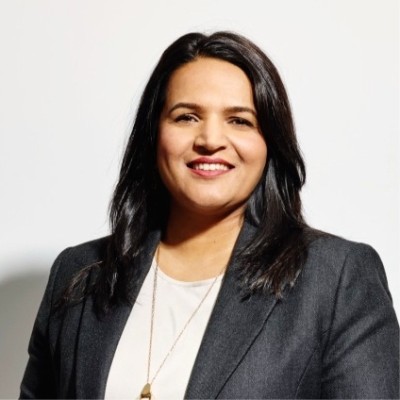
Mavara Turab serves as Vice President of Engineering at Alto, where she leads the engineering foundation of Canada’s first high-speed rail network. Prior to this, she spent nearly four years at WSP Canada, most recently as Director of Rail and Transit, having previously served as Deputy Technical Director of High Frequency Rail from 2023 to 2024, and as Senior Project Manager of Rail and Transit from 2022 to 2023. Before joining WSP, Mavara spent six years at SNC-Lavalin as Project Manager of Major Projects from 2016 to 2022. She began her career in major infrastructure delivery at National Engineering Services Pakistan (NESPAK), serving as Senior Engineer of Major Projects from 2005 to 2015. Mavara is a graduate of the University of Engineering and Technology, Taxila, where she earned her Bachelor's in Civil Engineering and holds a Master of Science in Environmental Design/Sustainable Design from Allama Iqbal Open University.
Canada is currently advancing its most significant infrastructure initiative in half a century. The Alto high-speed rail network will transform intercity mobility across the Toronto-to-Québec City corridor. Operating on approximately 1,000 kilometers of dedicated, electrified tracks at speeds of 300 km/h or higher, the project will connect a region that is home to nearly half of the national population. Delivering a megaproject of this scale and complexity requires moving away from traditional, siloed construction methods. To ensure long-term success, the project adopts a progressive, highly integrated, and collaborative delivery model that incorporates community benefits into its core strategy.
This technical presentation will provide an analysis of the collaborative delivery structure that is central to the development of the high-speed rail network. A key element of this approach is the strategic alignment between the public sponsor and the private developer partner. The presentation will offer attendees a clear understanding of the roles and responsibilities of the project entities. Alto, a federal Crown corporation, serves as the project authority. Its mandate includes governance, strategic leadership, environmental compliance, fostering meaningful Indigenous relations, and safeguarding the public interest. On the other hand, Cadence, a Canadian-led multinational consortium, acts as the private developer partner. Cadence is responsible for technical execution, final design, financing, physical construction, and long-term operations of the network.
By integrating Cadence during the development and pre-construction phases, the project employs an innovative co-development approach. This model enables the public and private sectors to work together to identify and mitigate technical, financial, and social risks before construction begins. The presentation will explain how this structure establishes industry best practices for delivering megaprojects. Key topics include early contractor involvement and the strategic allocation of project risks to the parties best equipped to manage them. This early integration ensures that engineering solutions align with public priorities and gain social acceptance.
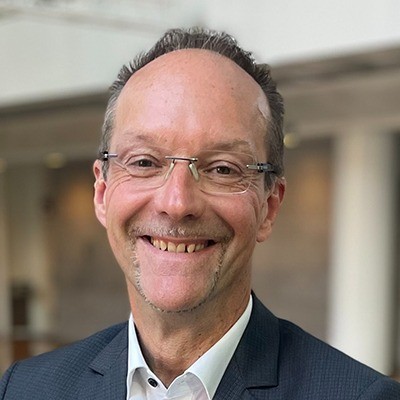
Denis Andlauer serves as the Deputy Project Director for Cadence. He has previously held various senior roles at CDPQ Infra including as Vice-President of Operations for the Réseau express métropolitain. Denis also held senior roles in interurban, urban and school transportation, including as CEO of Keolis Canada. Earlier, he worked at the Réseau de transport de la Capitale in Québec City, progressing from Director of Maintenance to oversight of all RTC operations. Previously, Denis was responsible for the operation and maintenance of the Lyon metro system, which includes France’s first fully automated metro line. Denis is a graduate of the École nationale supérieure d’Arts et Métiers in Paris and holds a certificate in corporate governance from Université Laval.


